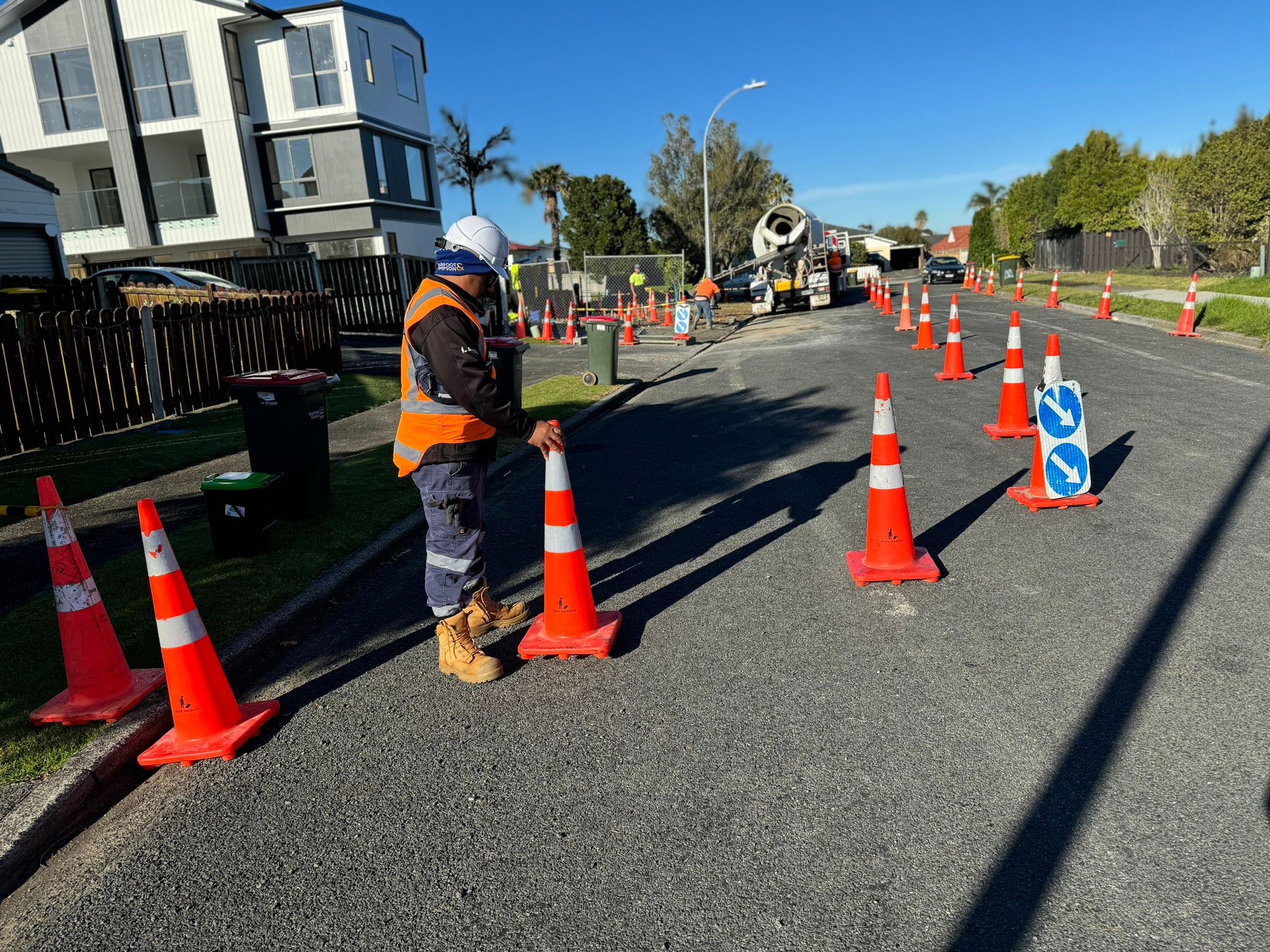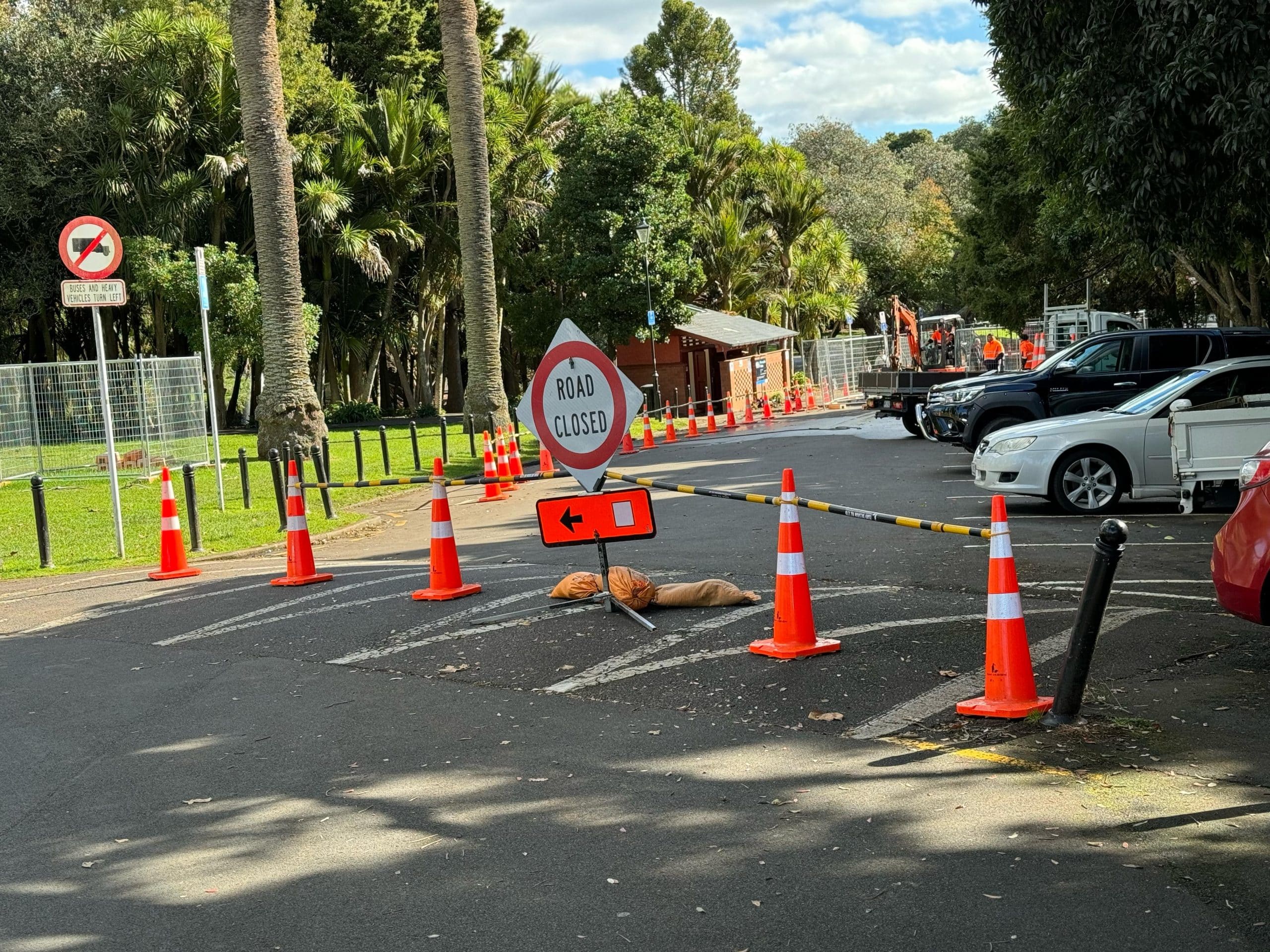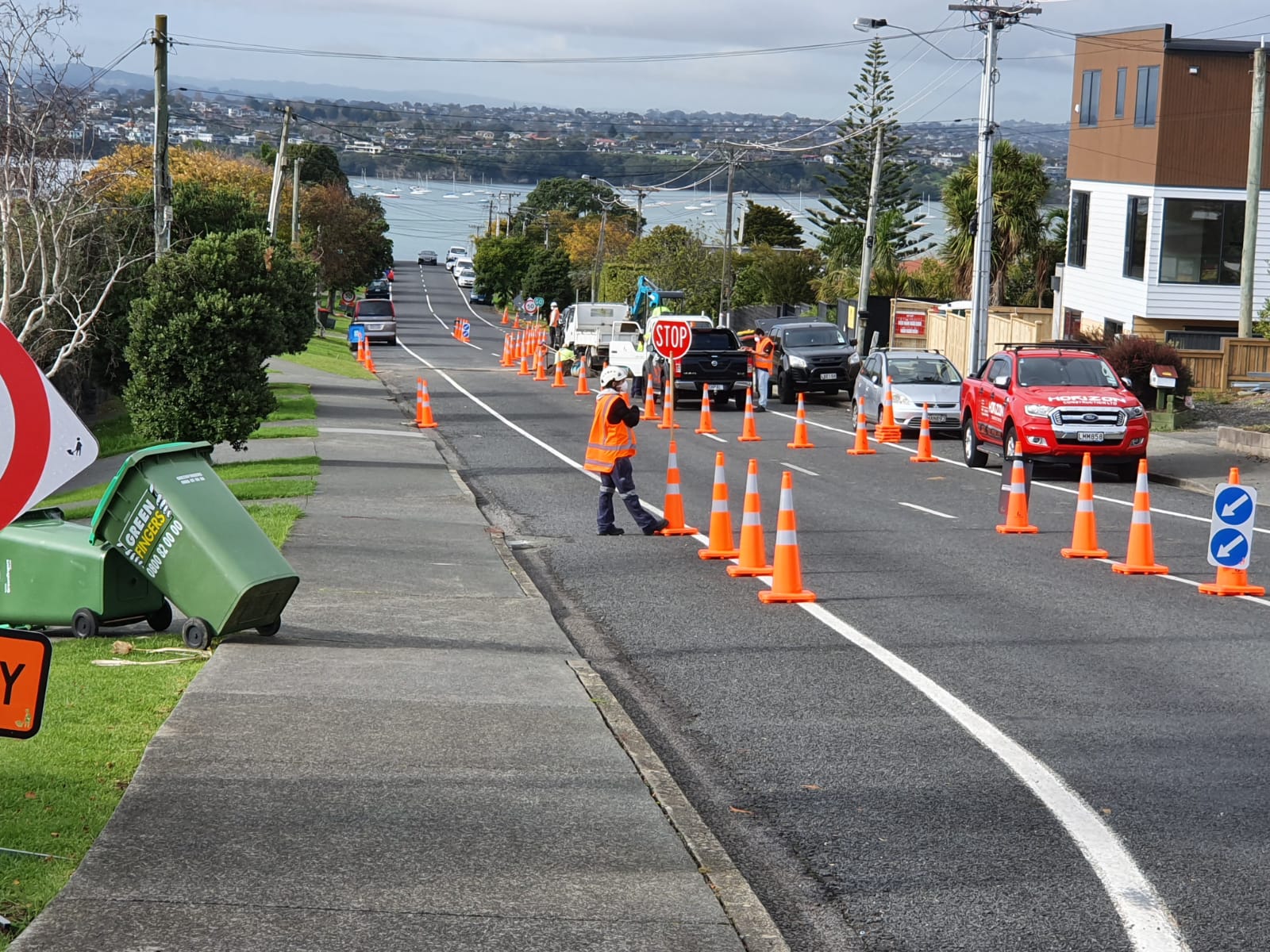

A Construction Traffic Management Plan (CTMP) is a critical requirement for managing vehicle movements, protecting road users, and ensuring safe access around construction sites. In New Zealand, construction projects that impact public roads or footpaths are expected to have a well-prepared CTMP in place.
Without a CTMP, construction sites face higher safety risks, approval delays, and potential legal consequences. Below are the 7 essential reasons why every construction site needs a CTMP and how it supports compliance, safety, and project efficiency.
One of the primary benefits of a Construction Traffic Management Plan is improved safety. Construction sites often involve heavy vehicles, machinery movements, and temporary access changes that can endanger workers, pedestrians, cyclists, and motorists.
A CTMP clearly defines:
By identifying hazards in advance, a CTMP significantly reduces the risk of accidents on and around construction sites.
CTMPs are often a mandatory requirement set by local councils and road-controlling authorities across New Zealand. If construction activities affect public roads, footpaths, or parking areas, a CTMP is usually required as part of the consent or approval process.
In New Zealand, Construction Traffic Management Plans are typically developed in alignment with the New Zealand Guide to Temporary Traffic Management (NZGTTM), which sets nationally recognised principles for temporary traffic control, safety, and road user protection.
Failing to provide a compliant CTMP can result in:
A properly prepared CTMP demonstrates that your site meets regulatory expectations and follows recognised traffic management standards.
Construction projects with clear, site-specific CTMPs are more likely to move smoothly through the approval process. Authorities want to see that traffic risks have been assessed and managed effectively.
A strong CTMP includes:
This level of detail helps reviewers approve plans faster and reduces the need for revisions.
Construction work can cause congestion, confusion, and frustration for the public if traffic is poorly managed. A CTMP helps minimise disruption by planning traffic movements carefully and maintaining access wherever possible.
By managing traffic flow properly, construction companies can:
This protects both the project timeline and the contractor’s reputation.
A well-designed CTMP does more than manage external traffic—it also improves how vehicles move within the construction site. Clear internal routes reduce confusion for delivery drivers, subcontractors, and plant operators.
Better traffic organisation leads to:
This directly contributes to safer and more efficient project delivery.
In the event of an incident, having a documented Construction Traffic Management Plan provides evidence that reasonable safety measures were in place. This can be critical for investigations, insurance claims, or legal reviews.
A CTMP shows that:
This level of planning helps protect construction companies from avoidable liability.
Construction sites are dynamic, with traffic needs changing as projects progress. A CTMP allows for staged updates and adjustments as work evolves.
Whether it’s:
A flexible CTMP ensures traffic management remains effective throughout the project lifecycle.
A CTMP is typically required when construction activities:
Even for smaller projects, having a CTMP can prevent unexpected issues and approval delays.
Preparing a compliant CTMP requires technical knowledge, local authority experience, and an understanding of construction site risks. Working with experienced traffic management professionals ensures your CTMP is accurate, compliant, and practical.
If you need support with Construction Traffic Management Plans, Temporary Traffic Management, or Traffic Engineering, ISAV Design provides reliable, site-specific solutions across New Zealand.
Contact ISAV Design today to ensure your construction project meets all traffic management requirements safely and efficiently.