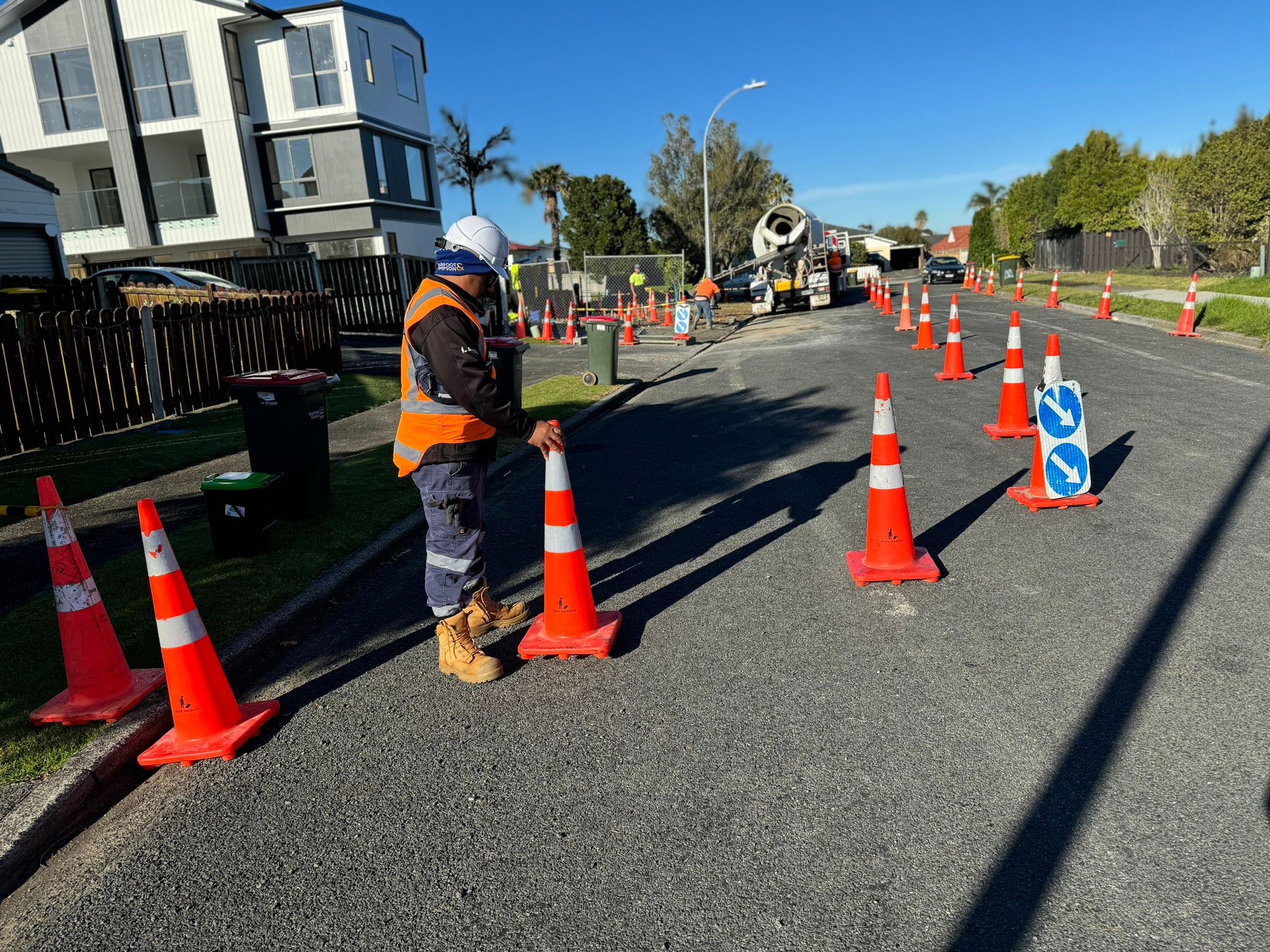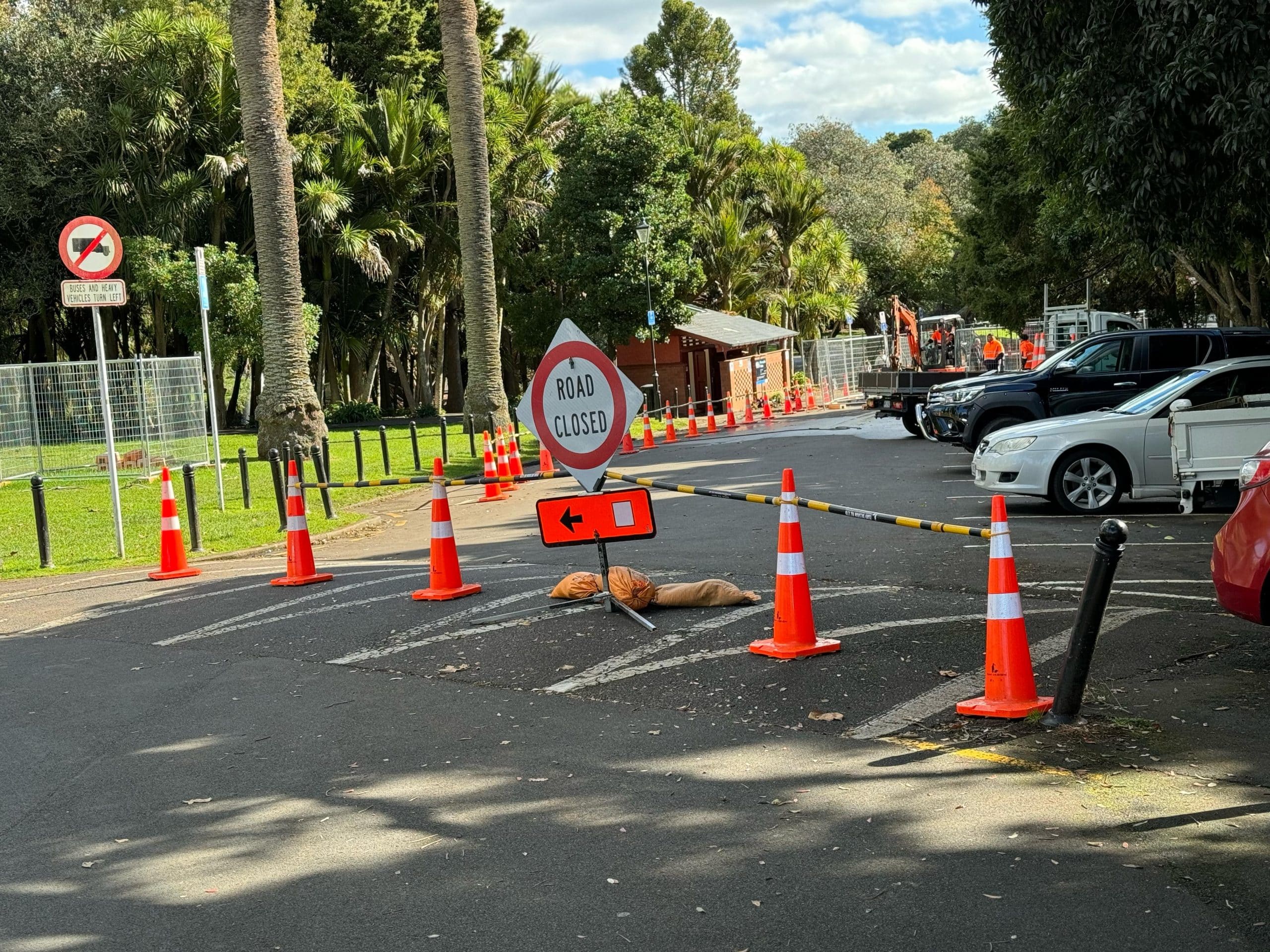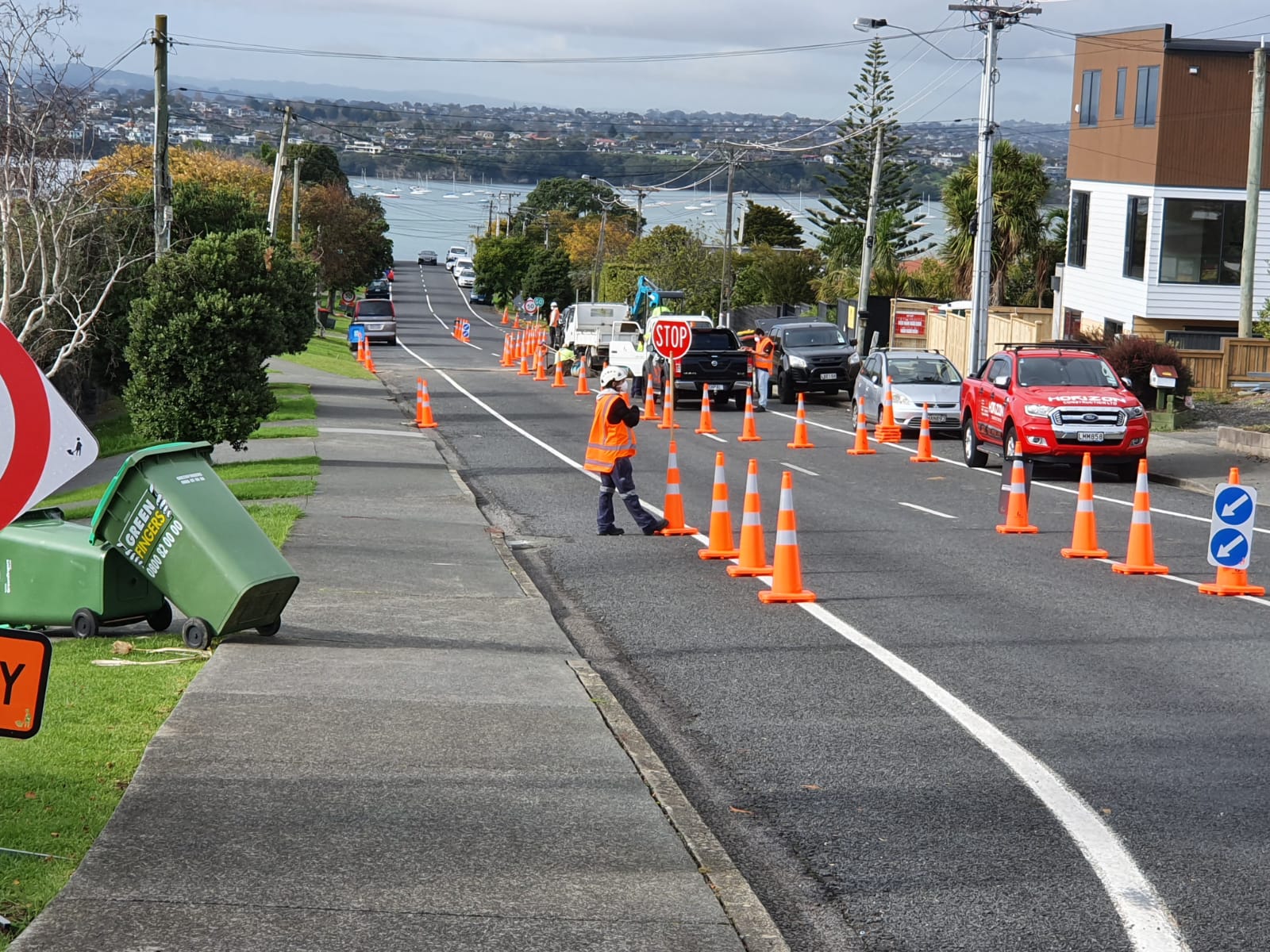

Event Traffic Management plays a crucial role in ensuring the safety of road users, event attendees, and staff. Whether it’s a large public festival, sporting event, parade, or private function, managing traffic flow effectively helps reduce congestion, prevent accidents, and maintain access for emergency services.
In New Zealand, well-planned arrangements are essential for meeting council requirements and delivering successful events with minimal disruption to surrounding communities.
Event Traffic Management involves planning, coordinating, and controlling vehicle and pedestrian movements before, during, and after an event. The goal is to maintain safe and efficient access while minimising impacts on public roads and nearby properties.
This includes managing:
Without proper planning, events can create unsafe conditions for both attendees and road users. Congestion, unclear routes, and unmanaged crossings increase the risk of incidents and public complaints.
Effective traffic planning helps to:
A well-prepared Event Traffic Management Plan clearly documents how traffic and pedestrians will be handled throughout the event lifecycle.
Typical components include:
Clear documentation ensures all stakeholders understand their responsibilities.
Large crowds can significantly affect traffic flow, particularly near entry and exit points. Separating pedestrian movements from vehicles is a core safety priority.
Common measures include:
These controls help minimise conflict between vehicles and pedestrians during busy periods.
Careful planning ensures vehicles can enter and exit the event area efficiently while avoiding unnecessary congestion. This includes managing public parking, staff access, and service vehicles.
Emergency access routes must always remain clear. Planning typically considers:
These measures are critical for public safety.
Most events that affect public roads require approval from local councils or road-controlling authorities. Traffic management documentation demonstrates that potential risks have been identified and managed appropriately.
Early engagement with authorities helps streamline approvals and reduces the likelihood of last-minute changes.
Effective planning is essential for delivering safe and successful events of any size. By carefully managing vehicle movements, pedestrian routes, parking arrangements, and access for emergency services, organisers can significantly reduce safety risks and operational challenges. Well-structured traffic arrangements help prevent congestion, minimise confusion for road users, and create a smoother experience for everyone involved.
Proactive traffic planning also supports better communication between event organisers, councils, contractors, and emergency services. When traffic controls are clearly documented and implemented, potential issues can be identified early and addressed before they impact the event. This approach not only improves on-site safety but also helps maintain positive relationships with local communities affected by temporary changes to road access.
Ultimately, thoughtful traffic and crowd management contributes to a more enjoyable event experience, protects public safety, and ensures compliance with authority requirements. Investing time in proper planning helps events run efficiently from setup through pack-down, reducing stress for organisers and creating a safer environment for attendees and surrounding road users alike.
If you’re planning an event and require expert support, ISAV Design provides professional Event Traffic Management services tailored to New Zealand requirements.
Contact us today to ensure your event runs safely and smoothly.