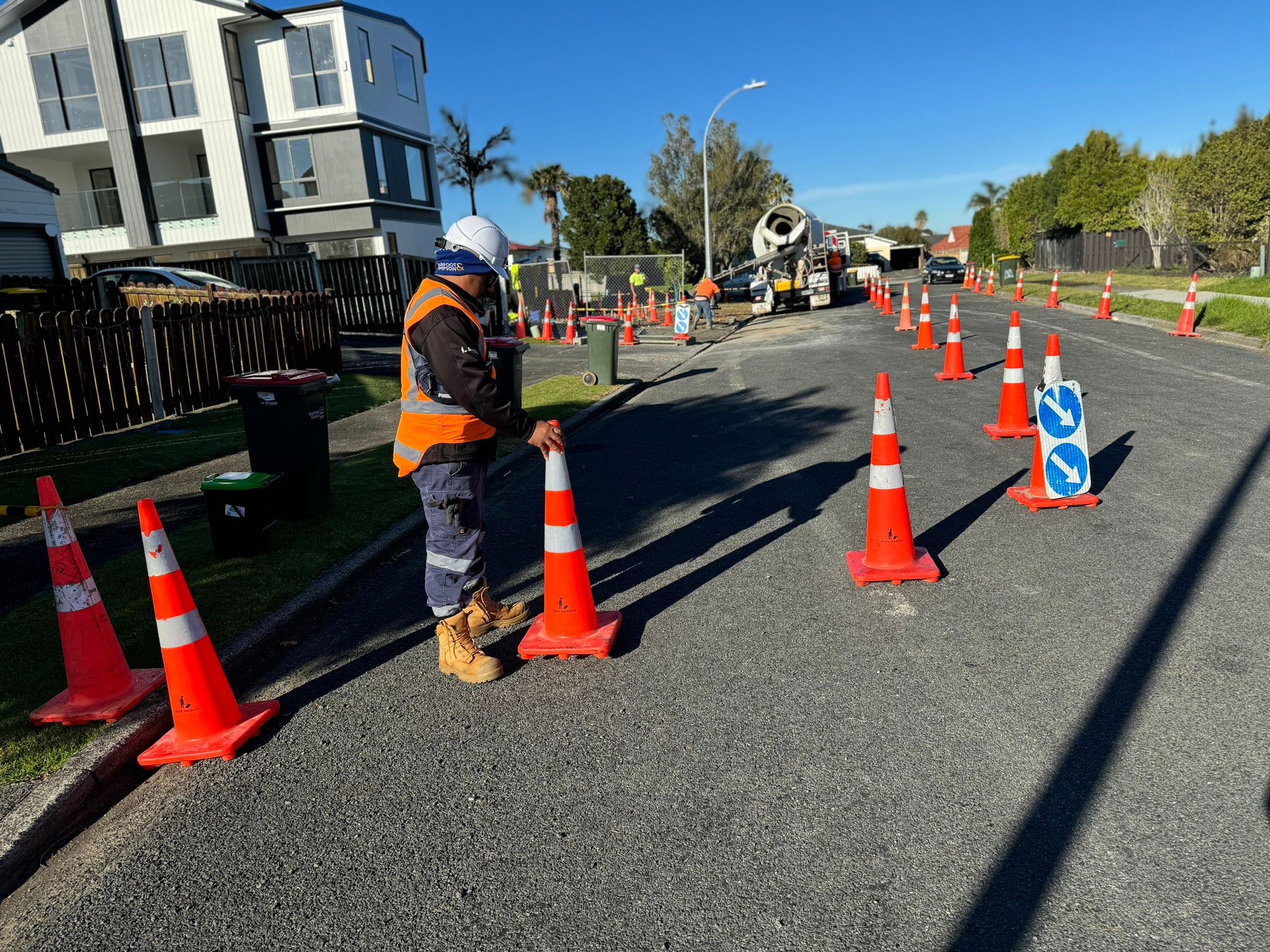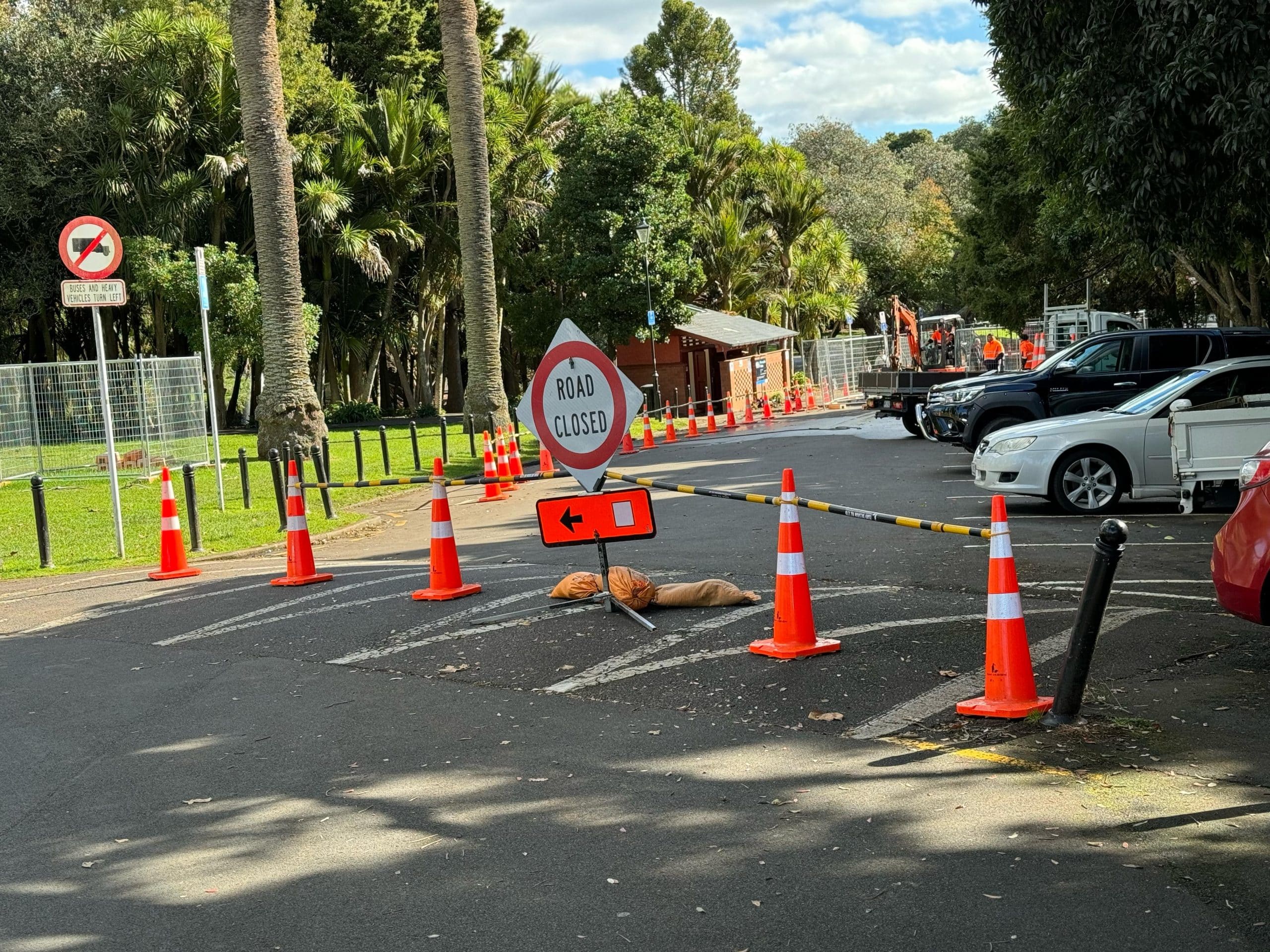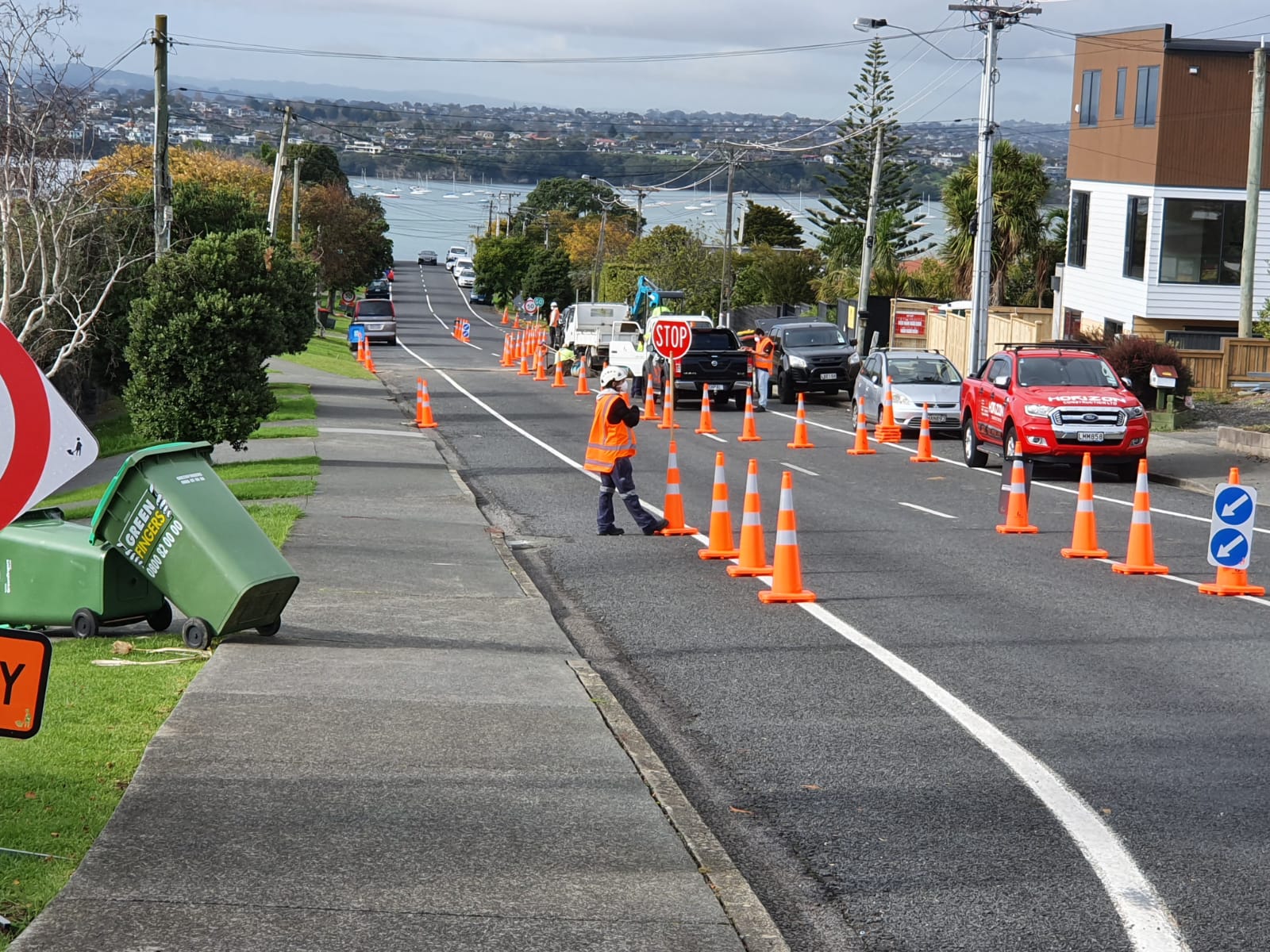

A Parking Management Plan is essential for managing vehicle movements safely and efficiently during events and construction activities. Poor parking arrangements can lead to congestion, safety risks, access issues, and complaints from the public. A well-prepared plan helps ensure smooth operations while protecting pedestrians, workers, and surrounding road networks.
For both temporary events and active construction sites, effective parking control plays a key role in maintaining safety, compliance, and a positive experience for all users.
A Parking Management Plan outlines how parking will be organised, controlled, and monitored for a specific site or activity. It identifies designated parking areas, access routes, traffic flow arrangements, and measures to prevent conflicts between vehicles and pedestrians.
The plan is commonly required by councils or road-controlling authorities for:
Its purpose is to minimise disruption while ensuring safe and orderly vehicle movements.
A Parking Management Plan is typically required when parking demand exceeds normal capacity or when activities impact public roads and footpaths. This includes:
Planning parking early helps avoid last-minute changes and approval delays.
To be effective, a Parking Management Plan should clearly address the following components:
Define how vehicles will enter and exit the site safely. This includes driveway locations, temporary access points, and any restrictions on vehicle types or sizes.
Identify designated parking zones, total capacity, and how different user groups (staff, contractors, visitors, VIPs) will be separated to reduce congestion.
Clear internal circulation routes help prevent bottlenecks and confusion. One-way systems are often used to improve efficiency and safety.
Safe walking routes, crossings, and separation from vehicle movements must be clearly identified, particularly for public events.
Temporary signs, wayfinding boards, and clear instructions help guide drivers and reduce the need for on-site intervention.
For events, a Parking Management Plan focuses on handling short-term peaks in traffic and pedestrian movement. Event parking often requires:
Clear planning helps avoid queues, illegal parking, and safety hazards during peak arrival and departure times.
Construction sites require a different approach. A Parking Management Plan for construction prioritises worker safety and site efficiency by:
Well-managed parking supports smoother construction operations and fewer complaints.
Councils and road-controlling authorities may review a Parking Management Plan as part of event permits, construction approvals, or traffic management submissions. Plans should align with local requirements and broader traffic management strategies.
Early coordination with traffic engineers and planners helps ensure compliance and faster approvals.
Parking and traffic arrangements should align with guidance from the New Zealand Transport Agency (Waka Kotahi) to ensure safe, compliant access around events and construction sites.
A Parking Management Plan is more than just allocating parking spaces. It is a critical tool for maintaining safety, managing traffic impacts, and ensuring events or construction projects run smoothly. Proper planning reduces risk, improves efficiency, and supports positive outcomes for all road users.
ISAV Design provides professional support for Parking Management Plans, Traffic Management Plans, Temporary Traffic Management, Event Management, Traffic Engineering, and Traffic Control Training.
Contact us today to develop a compliant, practical plan tailored to your project needs.