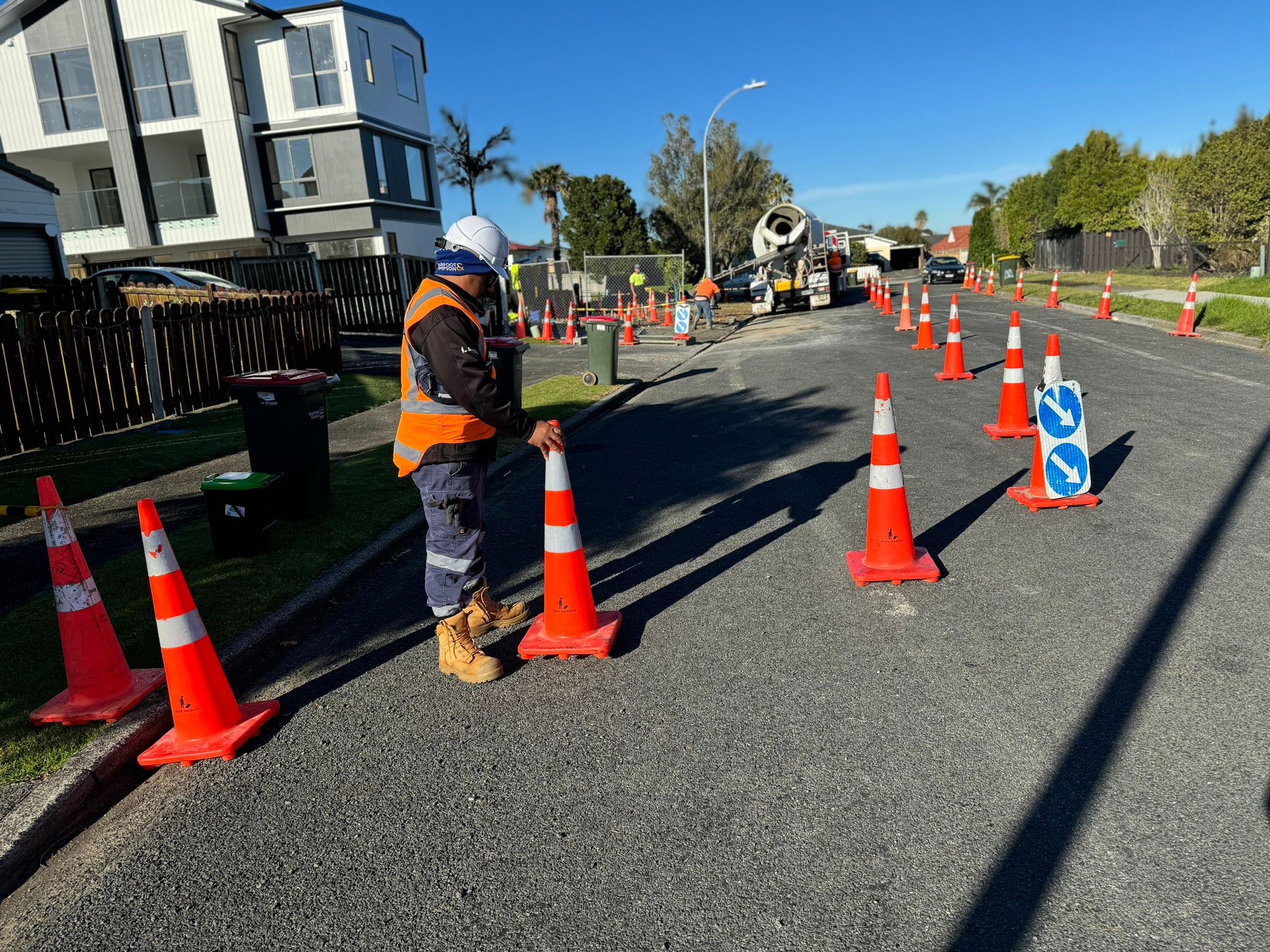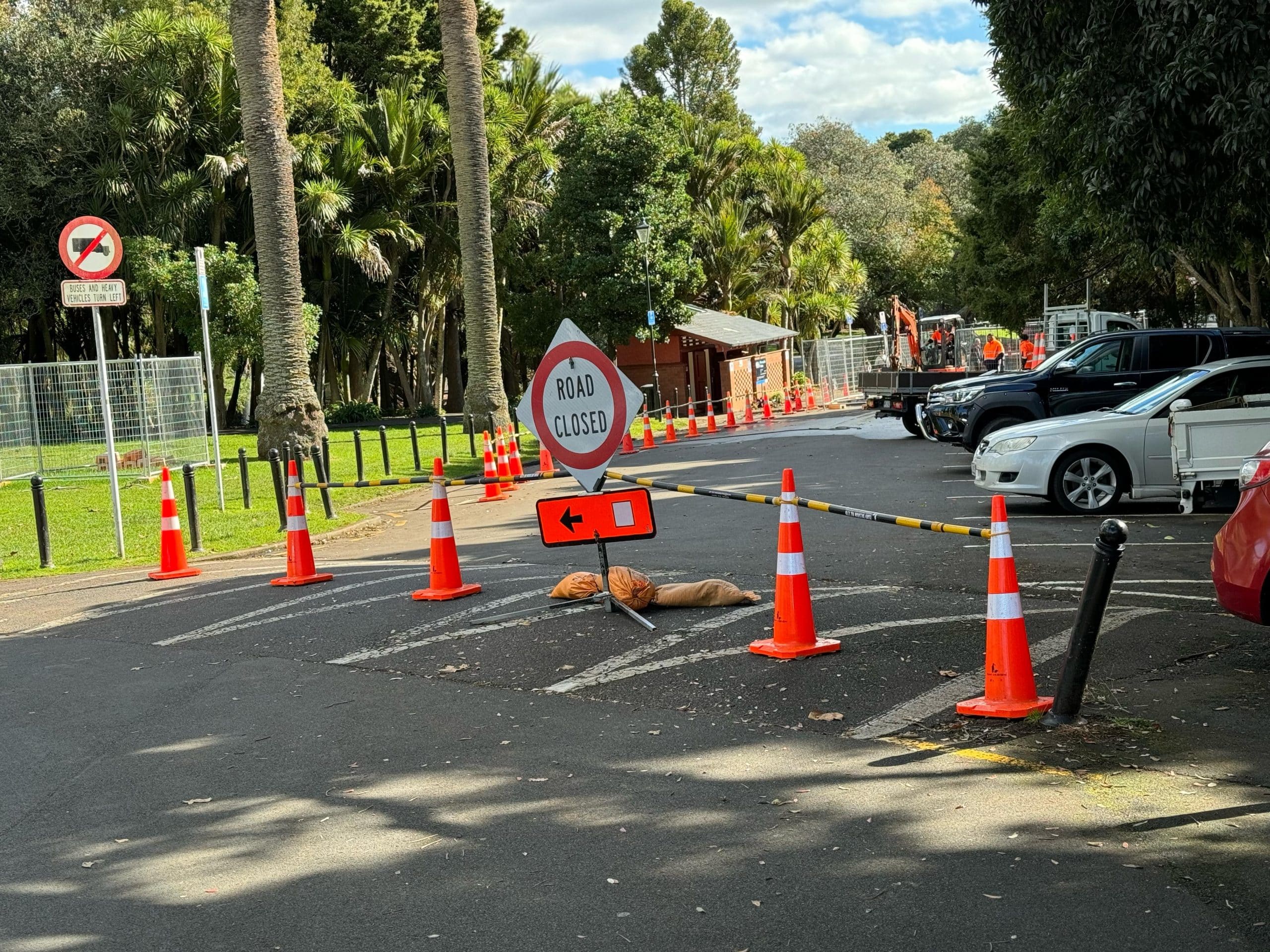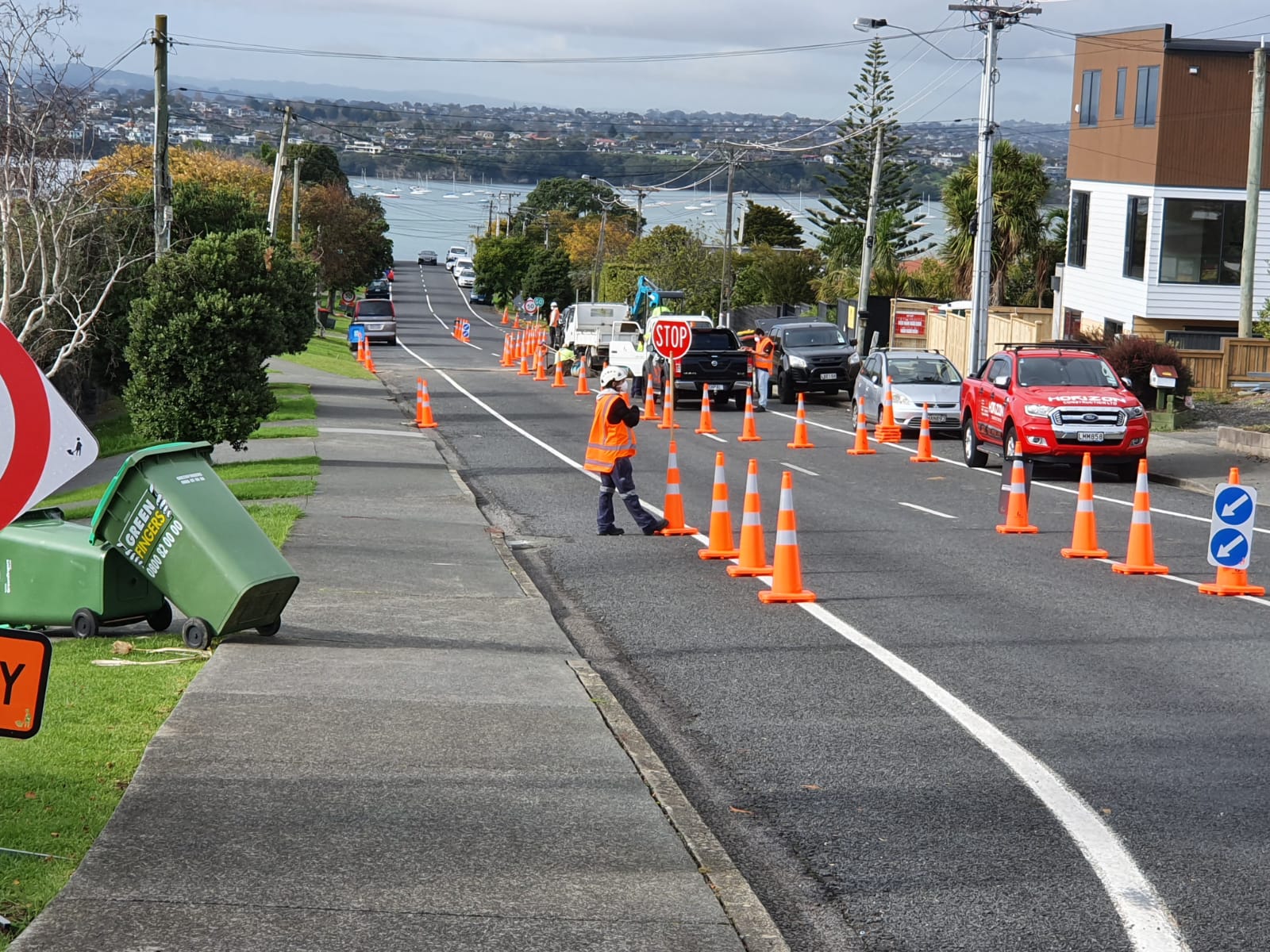

Road Closures in NZ are a common requirement for construction works, maintenance activities, and major events. When not planned correctly, closures can lead to safety risks, traffic congestion, public frustration, and compliance issues. Effective planning ensures that closures protect workers and road users while keeping disruption to a minimum.
Whether a closure is partial or full, temporary or extended, clear processes and communication are essential for successful delivery.
Road Closures in NZ involve restricting or fully stopping vehicle and pedestrian access to a road for a defined period. These closures may be required for:
Each closure must be carefully assessed to ensure it does not create unacceptable risks or traffic impacts.
Road closures are typically required when works cannot be safely completed with traffic passing through the site. Situations that commonly require closure include:
Early identification of the need for closure allows sufficient time for approvals and public notification.
Safety is the top priority for all Road Closures in NZ. This includes protecting workers, motorists, pedestrians, and cyclists.
Key safety measures include:
A strong safety focus reduces the likelihood of incidents and project delays.
Every road closure should be supported by a detailed Traffic Management Plan. This plan outlines how traffic will be managed before, during, and after the closure.
Effective plans address:
Well-prepared plans help authorities assess impacts and approve closures more efficiently.
Communication plays a critical role in successful Road Closures in NZ. Road users are more accepting of closures when they understand why they are happening and how long they will last.
Effective communication strategies include:
Clear messaging reduces confusion, complaints, and unsafe behaviour.
Road closures often require approval from councils or road-controlling authorities. Early coordination helps identify potential issues before they delay the project.
Authorities typically review:
Engaging stakeholders early improves cooperation and approval outcomes.
Even the best plans may need adjustment once a closure is in place. Monitoring traffic behaviour and site conditions allows teams to respond quickly to emerging issues.
This may involve:
Active monitoring helps maintain safety and traffic flow throughout the closure period.
All Road Closures in NZ must comply with relevant legislation and national guidance. Councils and road authorities rely on professional assessments to ensure closures meet required safety and operational standards.
Many projects align their closure arrangements with guidance from the New Zealand Transport Agency (Waka Kotahi) to support consistent and compliant road management practices.
In New Zealand, road closure arrangements are commonly developed in line with the New Zealand Guide to Temporary Traffic Management (NZGTTM). This guide provides nationally recognised principles for managing temporary road layouts, signage, and safety controls during closures.
NZGTTM supports best practice by outlining:
Aligning road closure plans with NZGTTM helps ensure consistent safety outcomes and smoother approval processes.
Road Closures in NZ require careful planning, strong communication, and strict compliance to be successful. By prioritising safety, preparing clear traffic management arrangements, and coordinating with authorities, projects can minimise disruption while protecting all road users.
Well-managed closures support smoother project delivery and maintain public confidence in road operations.
ISAV Design provides expert support for Road Closures, Traffic Management Plans, Temporary Traffic Management, Event Management, Traffic Engineering, and Traffic Control Training.
Contact us today to ensure your road closure is safe, compliant, and professionally managed.