
Traffic Engineers play a critical role in delivering road projects that are safe, efficient, and fit for purpose. From early planning through to construction and operation, their expertise ensures that roads function smoothly while protecting all road users, including drivers, pedestrians, cyclists, and workers.
As transport networks grow more complex, the involvement of traffic engineers has become essential for reducing risks, managing congestion, and meeting regulatory requirements across New Zealand.
Traffic Engineers specialise in the planning, design, and management of road and transport systems. Their work focuses on how people and vehicles move through spaces safely and efficiently.
Key responsibilities include:
Their input helps translate design concepts into practical, safe outcomes on the ground.
One of the most important contributions Traffic Engineers make is improving safety. By analysing traffic data and road user behaviour, they identify potential hazards before they become real-world problems.
Traffic engineers help reduce:
Through careful design and planning, safety measures are built into projects rather than added as reactive solutions later.
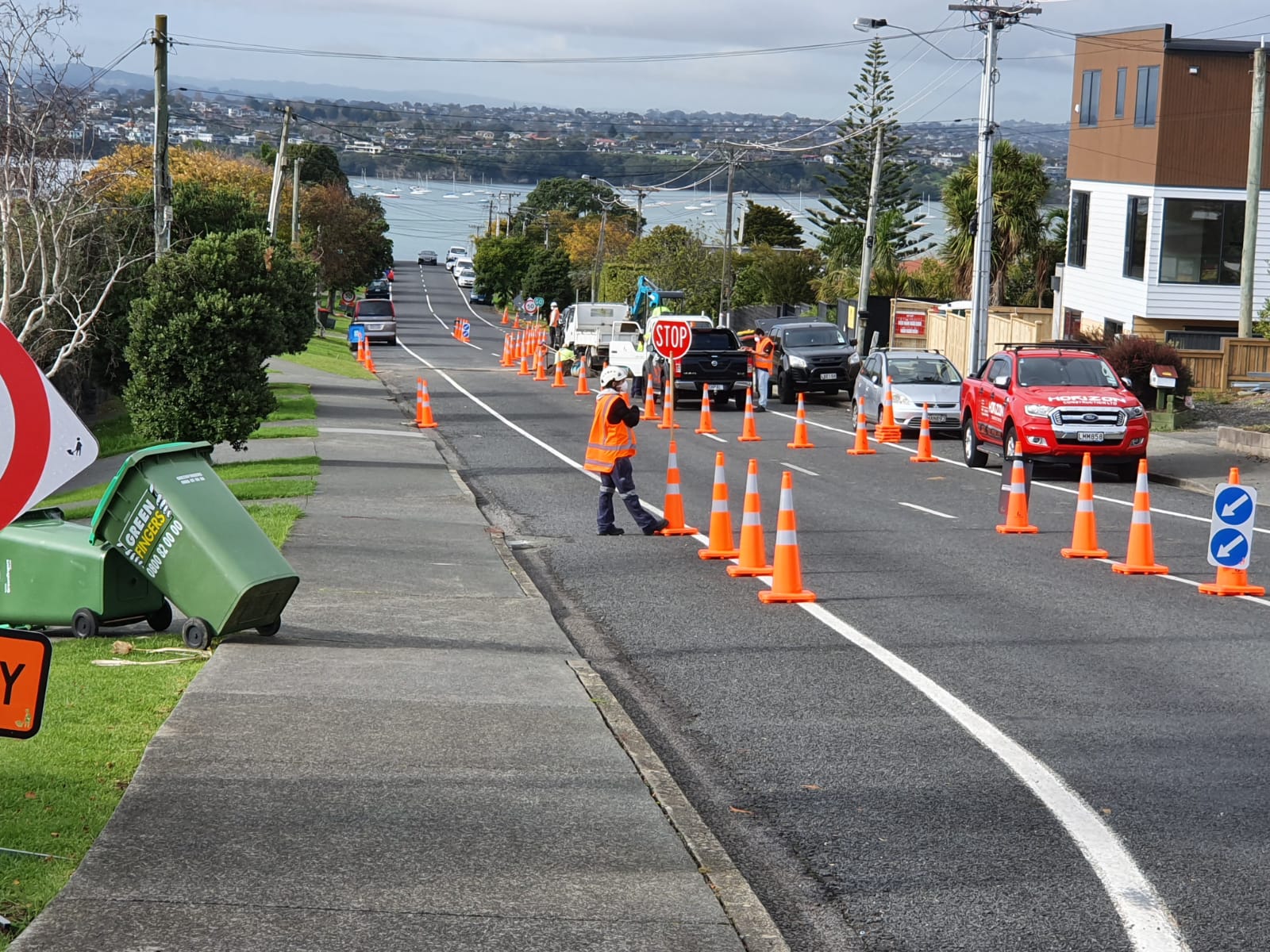
Efficient movement is just as important as safety. Traffic Engineers design road layouts that minimise congestion and ensure traffic continues to flow smoothly, even during construction or special events.
Their work may include:
Well-planned traffic systems reduce delays, improve travel times, and enhance the overall user experience.
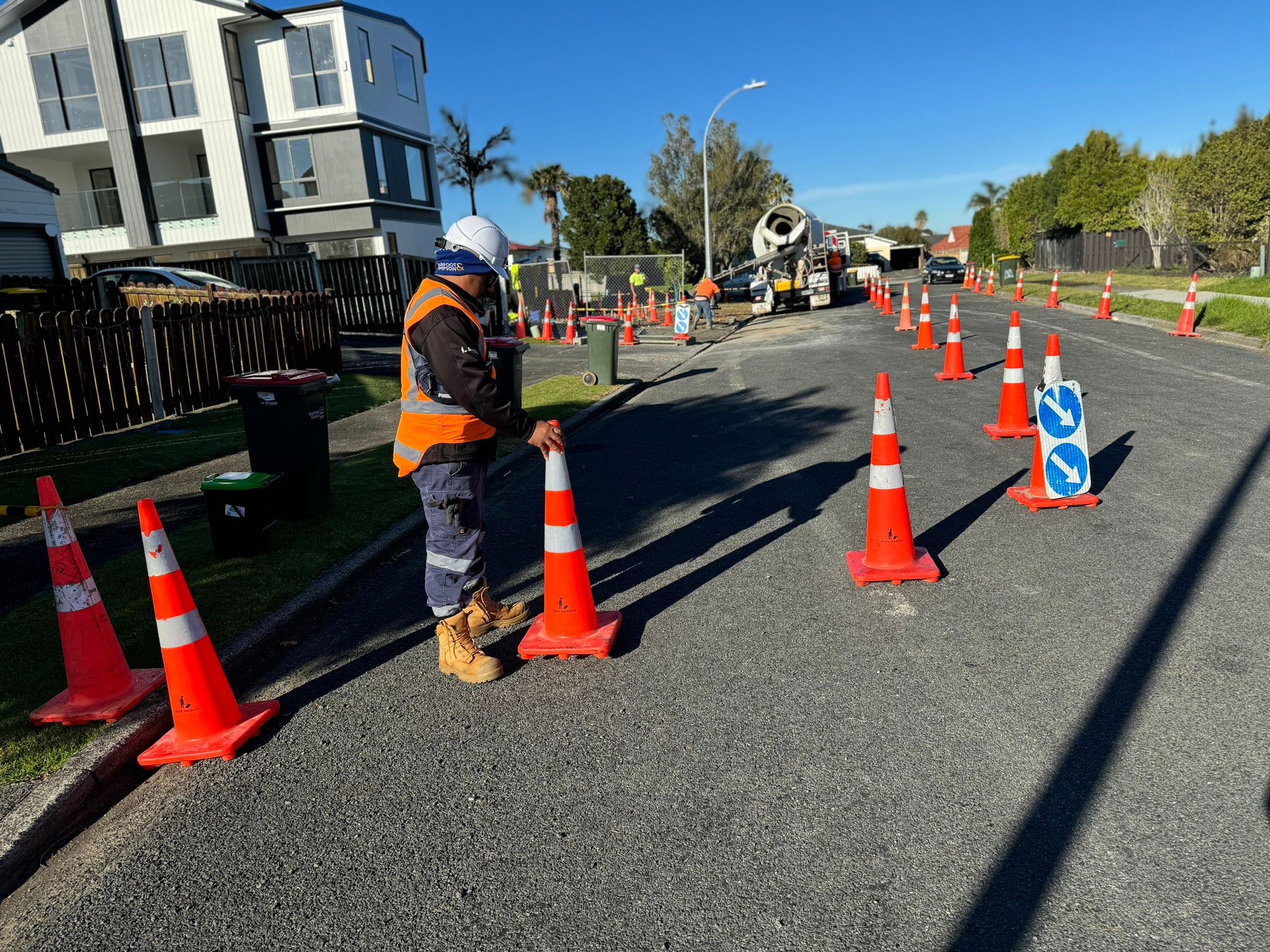
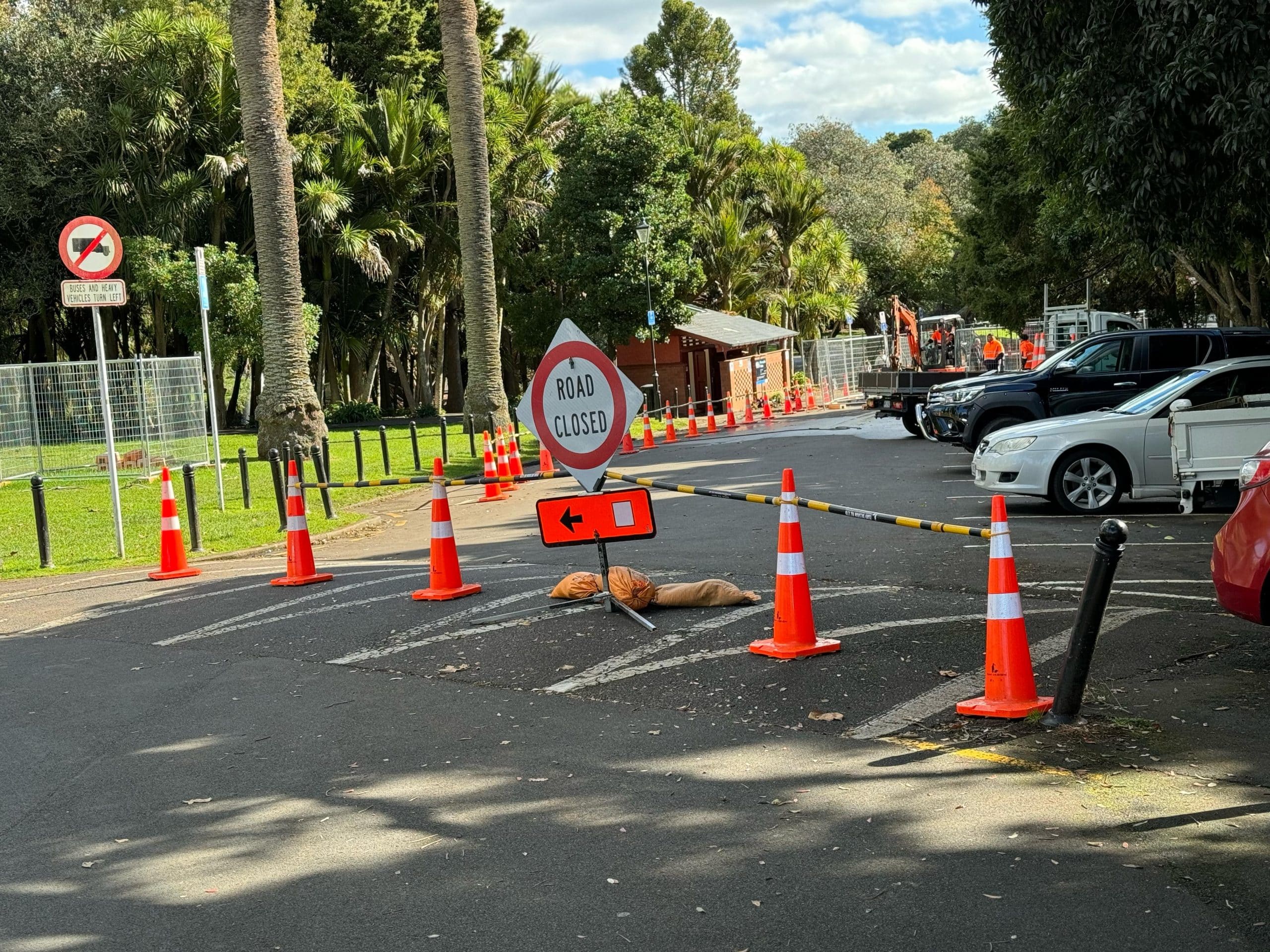
For construction sites and developments, Traffic Engineers play a vital role in managing how projects interact with existing road networks. Their assessments help ensure construction activities do not create unnecessary disruption or safety risks.
They commonly support:
This ensures construction sites operate safely while maintaining access for surrounding communities.
Traffic Engineering Professionals also assist with regulatory approvals and technical submissions. Councils and road-controlling authorities rely on their expertise to confirm that proposed designs meet required standards.
Their involvement helps:
Accurate, professional assessments improve confidence for decision-makers and stakeholders.
Many approval requirements are guided by standards and frameworks published by the New Zealand Transport Agency (Waka Kotahi), which supports consistent and compliant road design across New Zealand.
The impact of Traffic Engineers extends well beyond project completion. By planning for future traffic growth and changing transport needs, they help ensure roads remain functional over time.
Long-term benefits include:
This forward-thinking approach delivers lasting value to communities and road networks.
Without Traffic Engineering Professionals, road projects risk becoming inefficient, unsafe, or non-compliant. Their expertise ensures that every stage of a project considers real-world traffic behaviour and safety requirements.
By balancing technical knowledge with practical application, traffic engineers help deliver road projects that perform effectively from day one.
Traffic Engineering Professionals are a cornerstone of safe and efficient road project delivery. Their involvement improves safety outcomes, supports smoother traffic flow, and helps projects achieve faster approvals with fewer issues.
Whether for construction, development, or long-term infrastructure planning, engaging experienced traffic engineers is essential for successful, compliant road projects.