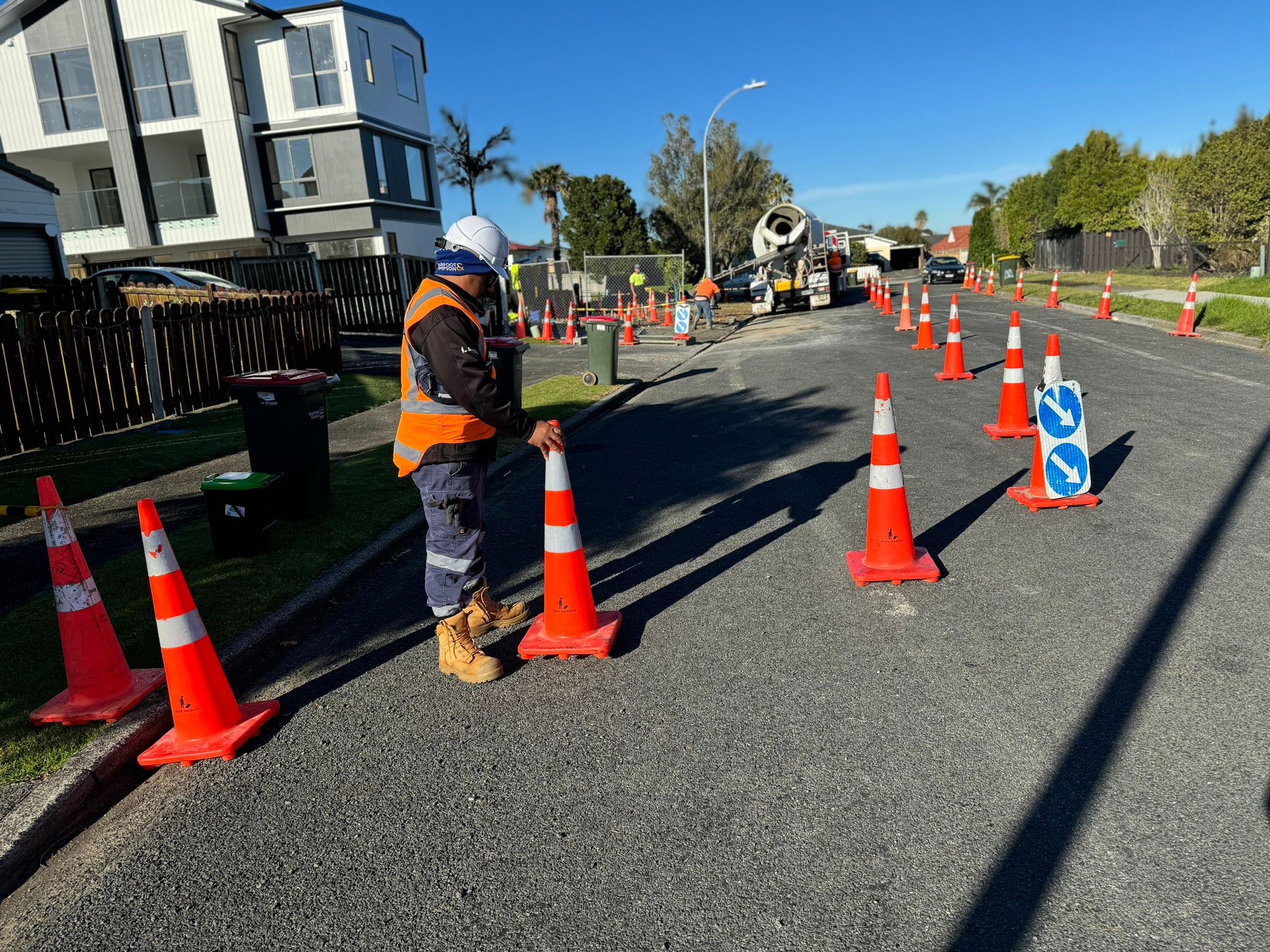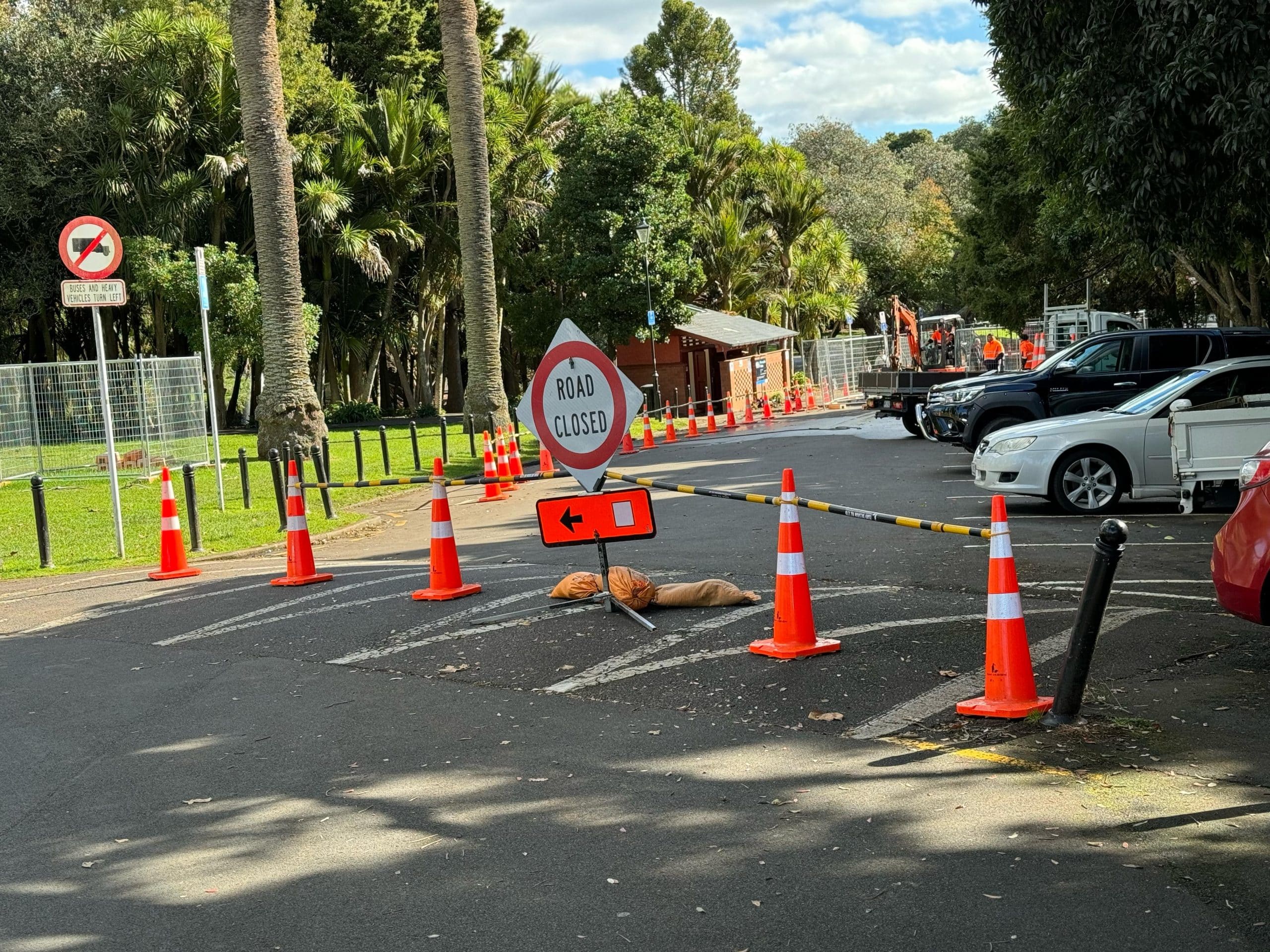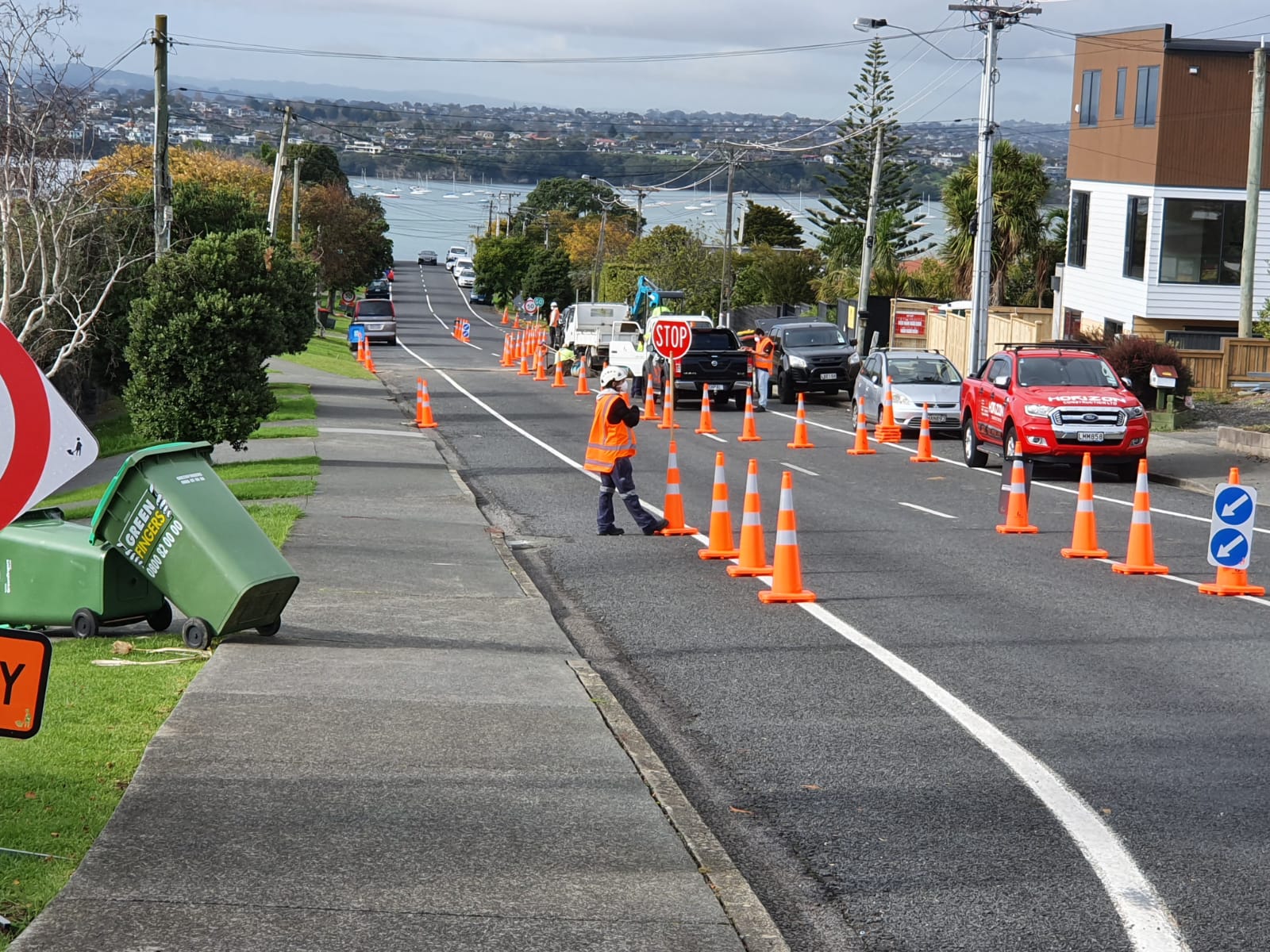

TMP mistakes construction companies commonly make can lead to project delays, rejected approvals, safety incidents, and compliance breaches. A Traffic Management Plan (TMP) is not just a document—it is a critical safety and legal requirement for construction projects across New Zealand.
Understanding the most common mistakes and how to avoid them helps construction companies maintain compliance, protect workers, and keep projects on schedule.
Many Traffic Management Plans fail because they are rushed, poorly assessed, or not aligned with NZGTTM requirements. Councils and Road Controlling Authorities require detailed, accurate, and site-specific TMPs.
One of the most frequent TMP mistakes construction companies make is reusing old plans. Every site has unique traffic conditions, and generic TMPs are often rejected.
How to avoid it:
Prepare site-specific plans based on actual road environment assessments.
Incorrect signage placement, missing tapers, and unclear layouts are major causes of TMP rejection.
How to avoid it:
Use accurate, scaled diagrams that comply with NZGTTM standards.
Failing to provide safe pedestrian detours or cyclist protection increases risk and non-compliance.
How to avoid it:
Always include clear pedestrian and cyclist management provisions.
Incorrect traffic volume assumptions can result in unsafe traffic flow and congestion.
How to avoid it:
Conduct proper traffic assessments and consider peak-hour conditions.
Using outdated or incorrect signs is a common TMP compliance issue.
How to avoid it:
Ensure all signage meets NZGTTM requirements.
Untrained or under-qualified traffic controllers increase safety risks.
How to avoid it:
Engage trained personnel with valid Traffic Control Training certification.
Emergency vehicle access is often overlooked in TMPs.
How to avoid it:
Always include emergency response and access procedures.
Late submissions and incomplete documentation delay approvals.
How to avoid it:
Submit TMPs early and maintain clear communication with the relevant Road Controlling Authority.
Working with experienced traffic management consultants reduces approval delays, improves site safety, and ensures full NZGTTM compliance. Professional TMP preparation addresses site risks before issues arise.
Construction companies that avoid these TMP mistakes benefit from smoother workflows, safer worksites, and reduced compliance risk.
Understanding and avoiding TMP mistakes construction companies commonly make is essential for delivering safe, compliant, and efficient construction projects in New Zealand. A Traffic Management Plan is not just a requirement for approval—it plays a direct role in protecting workers, pedestrians, cyclists, and all road users throughout the life of a project.
Many approval delays and safety incidents occur because TMPs are rushed, copied from previous projects, or prepared without a proper assessment of the site conditions. By investing time in site-specific planning, accurate traffic diagrams, compliant signage, and trained personnel, construction companies can significantly reduce risk and prevent costly disruptions.
Working with experienced traffic management professionals ensures that Traffic Management Plans align with NZGTTM standards and local Road Controlling Authority requirements. Professional planning also helps anticipate challenges such as traffic congestion, emergency access, and pedestrian safety before work begins.
Avoiding these common TMP mistakes construction companies face leads to smoother approvals, safer worksites, and stronger project outcomes. For reliable, compliant, and professional Traffic Management Plan support, ISAV Design provides expert traffic management solutions tailored to construction projects across New Zealand.
Proactive traffic planning also demonstrates professionalism, strengthens stakeholder confidence, and helps construction companies maintain long-term compliance while delivering projects safely, efficiently, and without unnecessary delays.