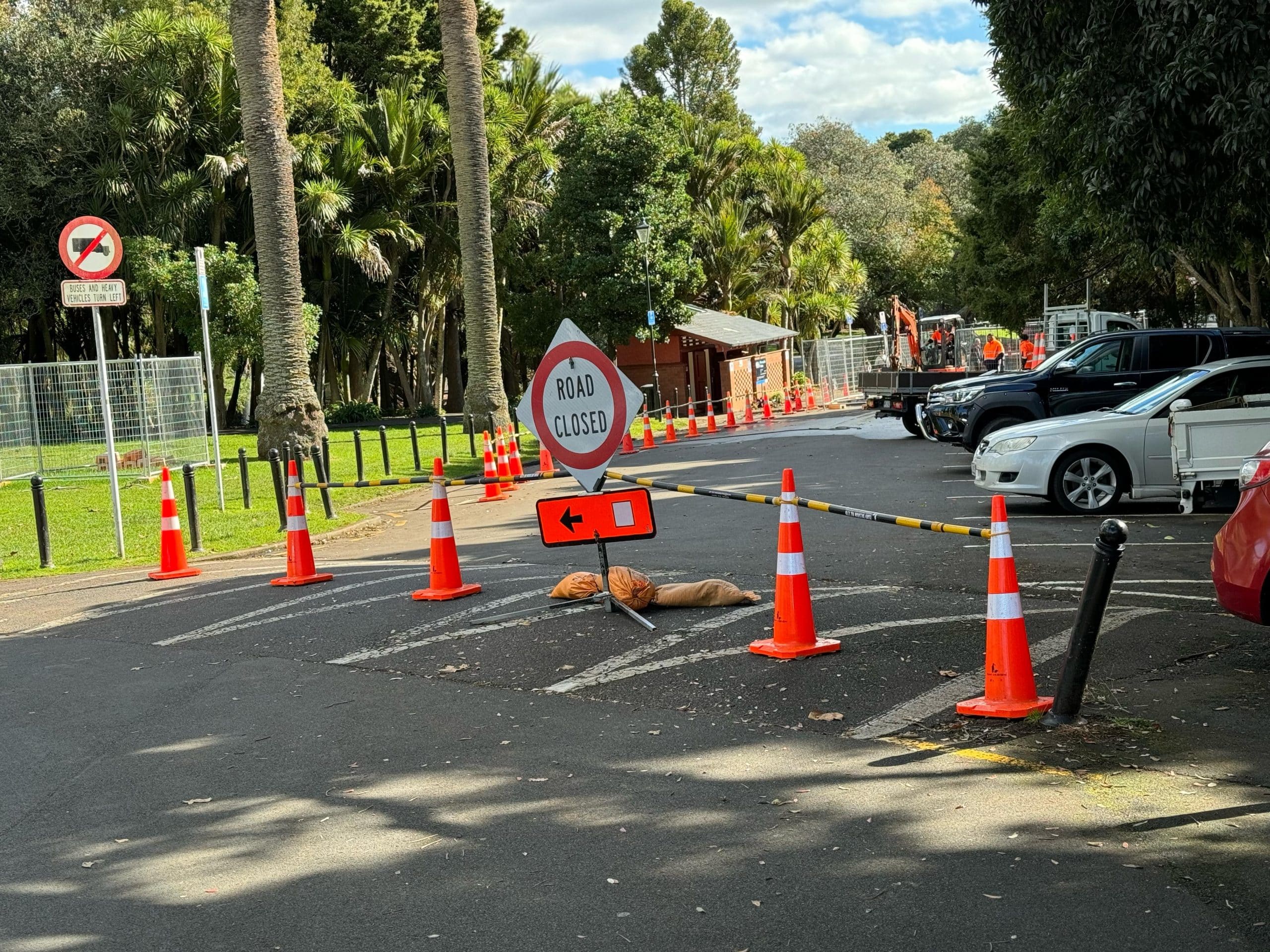
Traffic Management Plan Checklist New Zealand is essential for ensuring safety, legal compliance, and efficient traffic flow during construction works, road maintenance, and public events. A properly prepared Traffic Management Plan (TMP) protects workers, pedestrians, cyclists, and road users while meeting NZGTTM and council approval requirements across New Zealand.
A Traffic Management Plan is not just a regulatory requirement—it is a critical safety document that reduces risk, prevents delays, and ensures smooth project delivery. This guide provides a complete checklist to help you prepare a compliant and effective TMP.
Traffic Management Plan outlines how traffic will be managed safely while work is carried out on or near a roadway. It details traffic control measures, signage, layouts, and responsibilities to minimise disruption and hazards.
In New Zealand, all Traffic Management Plans must comply with NZGTTM and be approved by the relevant Road Controlling Authority (RCA).
A Traffic Management Plan is required when work affects:
Without an approved TMP, work may be stopped, delayed, or penalised.

Include the project name, exact site location, road classification, speed limits, scope of work, duration, working hours, and contact details of responsible personnel.
Assess traffic volumes, pedestrian and cyclist activity, public transport routes, nearby schools or businesses, and intersections. A clear understanding of site conditions ensures realistic traffic control measures.
Identify all potential hazards such as reduced visibility, live traffic exposure, narrow lanes, and conflicting vehicle movements. Each hazard must have a corresponding control measure aligned with NZGTTM standards.
Provide accurate diagrams showing cone placement, signage, barriers, tapers, detours, and lane closures. Diagrams must be clear, correctly scaled, and suitable for the road environment.
Ensure all traffic signs meet NZTA standards, are clean and reflective, and are placed at correct distances. Barriers and equipment must be appropriate for the level of risk and traffic speed.
Clearly show safe pedestrian detours, temporary walkways, crossing points, and cyclist protection. Safe access for vulnerable road users is a critical requirement under NZGTTM.
Detail the number of required traffic controllers, their roles, and their training or certification levels. Only trained and competent personnel should implement a Traffic Management Plan.
Include procedures for emergency vehicle access, incident response, weather-related changes, and after-hours site safety. Emergency access must never be compromised.
Explain how traffic controls will be inspected, monitored, and maintained throughout the project. A Traffic Management Plan must be updated if site conditions change.
Submit the TMP to the relevant Road Controlling Authority within required timeframes. Approved documents must be available on-site at all times.
Avoiding these issues improves approval speed and site safety.
Using a professional Traffic Management Plan Checklist New Zealand approach ensures compliance, faster approvals, and safer worksites. Experienced traffic management consultants understand local council requirements, complex road environments, and NZGTTM updates.
ISAV Design provides professional Traffic Management Plans for low-volume and complex road projects across Auckland and surrounding regions.
Following this Traffic Management Plan Checklist New Zealand helps ensure compliance, reduce risk, and maintain safe and efficient traffic flow. A well-prepared Traffic Management Plan supports worker safety, public protection, and successful project outcomes.
For expert Traffic Management Plans, approvals, and temporary traffic management services, ISAV Design is ready to assist.
For expert Traffic Management Plans and compliant temporary traffic solutions, contact ISAV Design today to discuss your project requirements.